How Long Will 3mm Brake Pads Last? (Solved)
You’re at the shop for a quick checkup, and the mechanic casually says, “Your brake pads are at about 3mm.” You nod like you totally get what that means, but deep down, you’re thinking, okay… is that bad?
3mm isn’t a full-blown emergency, but it’s definitely a warning sign.
It means your brake pads are getting pretty thin and running out of life. You still have a bit of time, but not much.
In this post, we’ll break down how long 3mm brake pads last, what it means, and what you should do before they wear out completely.
What Does 3mm Brake Pads Mean?
Brand-new brake pads are usually about 10 to 12mm thick. That’s a healthy amount of friction material that can handle thousands of stops.
Over time, every press of the brake pedal wears that down bit by bit.
So when your mechanic says your pads are down to 3mm, it means only a thin sliver of usable material is left which is basically about 25% of the original thickness.
That’s the warning zone.
Once you drop under 3mm, you’re skating on borrowed time before the pad’s backing plate starts scraping against your rotors.
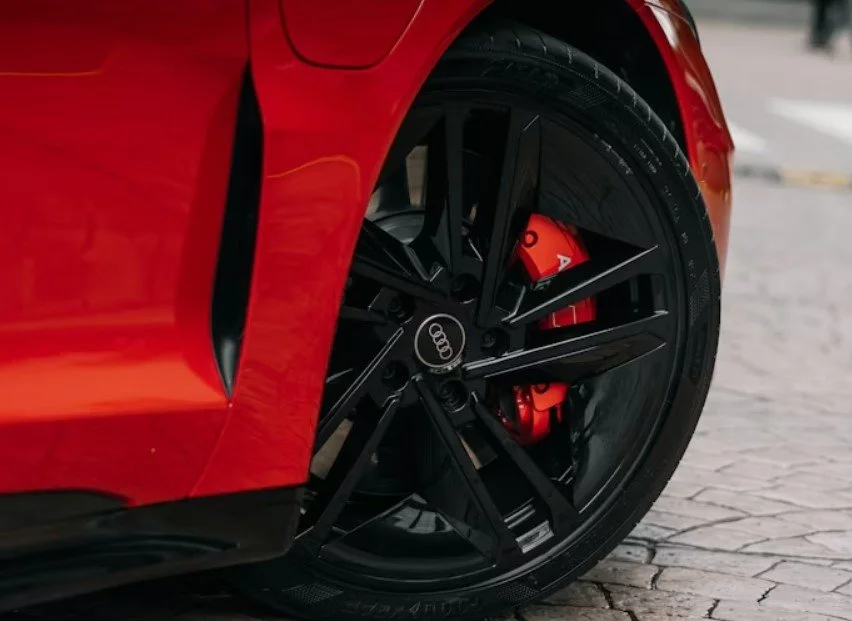
At that point, stopping power starts to fade, and you’ll likely hear squealing or grinding noises. The car can still stop, sure, but it’s not stopping well, and that’s the difference between a close call and an accident.
How Long You Can Drive On 3mm Brake Pads?
You can drive anywhere from 300 to 3000 miles on 3mm brake pads. There’s no exact number of miles that fits everyone. It depends on how and where you drive.
But here’s a general idea:
City driving (stop-and-go traffic): maybe 300 to 1,000 miles left.
Highway driving (steady, light braking): you might squeeze up to 2,000 - 3,000 miles.
Aggressive driving or towing: possibly less than 500 miles before they’re gone.
That’s not a ton of time. Even if you’re mostly on highways, all it takes is one emergency stop or a few steep hills to shave off what’s left.
Also Read: Ran Over Glass Bottle In Parking Lot
So yeah, you could drive a little while longer, but once you hit 3mm, it’s smart to start planning that brake service. You’ll save yourself from way bigger problems (and costs) down the line.
Warning Signs Your Brake Pads Are Too Worn
Even if you don’t measure your brake pads often, your car will usually give you hints that they’re getting too thin. A few common signs to watch for include:
A high-pitched squeal when braking.
A grinding sound that means metal is touching metal.
A soft or spongy feeling when you press the pedal
Vibrations or pulsing when you slow down.
The car pulling to one side when braking.
These are your brakes begging for attention. The sooner you take care of it, the better.
Why You Shouldn’t Wait Until They Hit Zero
Driving with brake pads under 3mm is like running on bald tires.
It still works, but not for long and it’s definitely not safe.
The less friction material you have, the harder your car has to work to stop. That means longer braking distances and less control in emergencies.
Also Read: Car Shakes At 40 MPH Then Stops
If the pads wear down completely, the metal backing starts pressing against your rotors. This doesn’t just make an awful screeching sound - it chews up your rotors, too. And then you’re not just paying for new pads, you’re also buying new rotors (and possibly calipers).
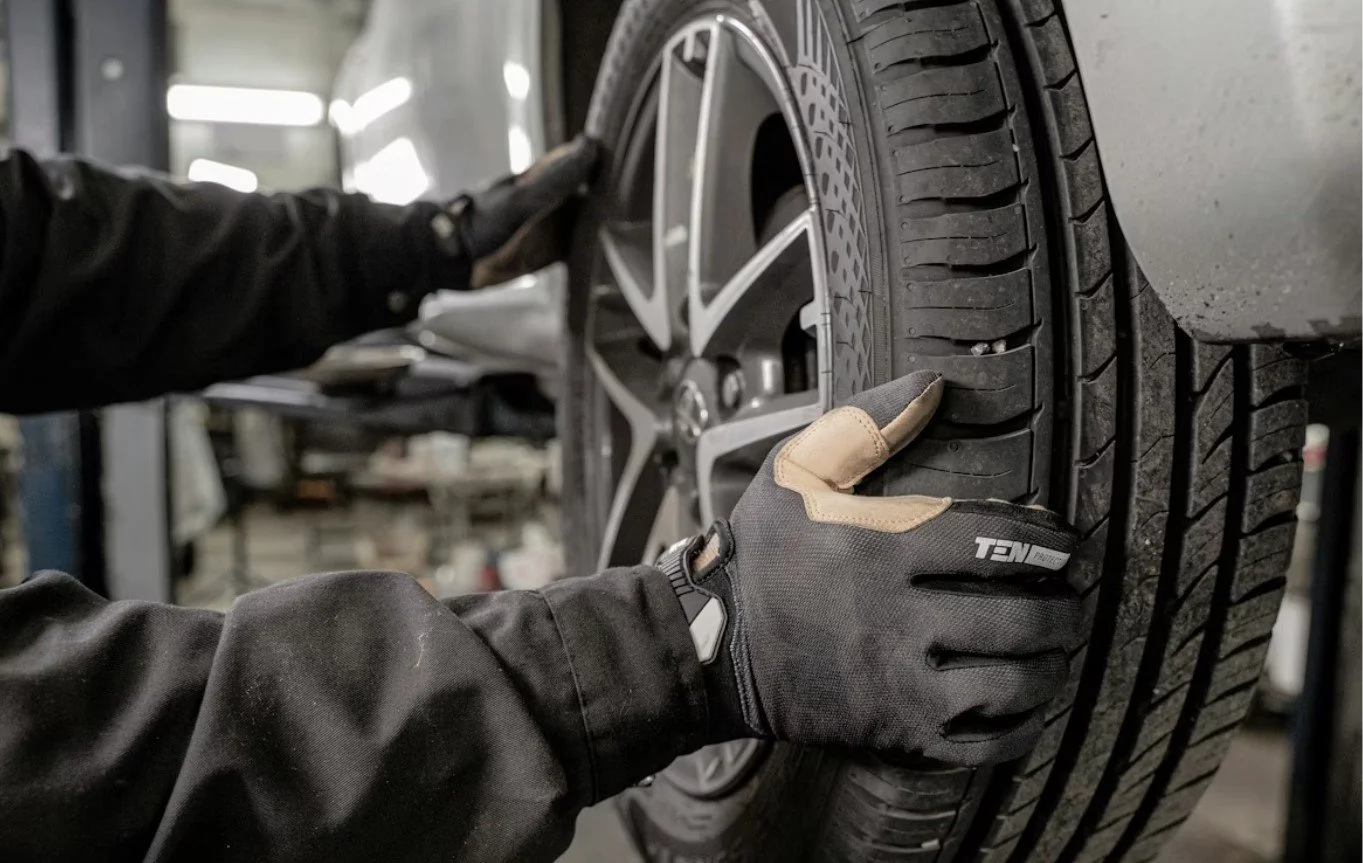
That can easily double or triple the cost of what would’ve been a simple brake job.
It’s one of those cases where waiting “just a bit longer” ends up being way more expensive.
What To Do If You Have 3mm Left On Brake Pads
So you’ve checked your brakes, and they’re sitting at 3mm. What now?
Easy - plan a replacement soon. You don’t need to panic and rush to the shop this minute, but you should make an appointment in the near future.
So book a brake inspection if it’s been a while.
Sometimes pads wear unevenly, and you might have less than 3mm on one side.
Ask for a quote before replacing them since prices can vary depending on your car type and the quality of pads you choose.
Don’t forget the rotors. If they’re smooth and still within thickness specs, you might just resurface them. But if they’re worn or grooved, replace them.
You’ll feel a huge difference once new pads are on - quieter stops, smoother braking, and a lot more peace of mind.
Also Read: What Does Blue Rebuilt Title Mean?
Tips To Make New Brake Pads Last Longer
Once you’ve replaced your pads, you’ll definitely want them to last as long as possible. A few simple habits can stretch their life a ton:
Avoid sudden, hard stops unless it’s an emergency.
Don’t ride the brakes. Resting your foot on the pedal causes constant friction, which wears them faster.
Get your brakes checked regularly, maybe during oil changes or tire rotations
Use good-quality pads that match your driving style as cheap ones wear faster.
Little adjustments like these can easily add thousands of miles to your brake life. It’s worth it.
Bottom Line
If your brake pads are down to 3mm, you’re officially in the replacement zone.
3mm brake pads will last for about 300 to 3000 miles depending on where you drive, but it’s not worth the risk. Thin pads don’t just affect performance, they put your safety on the line too.
Replacing them now saves you money in the long run!
Once those fresh pads are on, you can hit the road knowing your brakes are ready for whatever comes next.