How Thick Should Brake Pads Be? (Explained)
Brake pads don’t usually get much attention until they start making noise or your car takes longer to stop. But the truth is, their thickness is one of the most important things to keep an eye on.
Every time you hit the brakes, a little bit of that pad material wears away.
Over time, it gets thinner and thinner until there’s not enough left to do the job.
In this post, we’ll break down how thick brake pads should be, what “too thin” really means, and why catching it early saves you from bigger headaches down the road.
How Thick Should Brake Pads Be?
Brake pads should be around 10 - 12 millimeters thick when brand new. As they wear down, the safe minimum is about 3 - 4 millimeters.
Anything thinner than that is considered worn out and should be replaced right away.
Here’s a quick breakdown you can keep in mind:
10 - 12 mm → fresh, new pads
4 mm → still safe but getting close to replacement
3 mm or less → unsafe, time to replace immediately
Keeping your pads within the safe range will keep your car stopping smoothly and prevent damage to your rotors, which are far more expensive to replace.
Also Read: How long will 3mm brake pads last?
Let’s look at these in more detail:
Standard Brake Pad Thickness
Brand new brake pads usually come in at around 10 to 12 millimeters thick.
That’s the standard starting point for most cars.
If you’re driving a truck or SUV, they might be a little chunkier, but the idea is the same. That extra thickness is what gives you smooth, controlled braking without much effort.
Think of brake pads like a good pair of sneakers. When they’re new, you’ve got all the cushion and support you need. They grip well, feel comfortable, and don’t give you any trouble. Over time, that cushion wears down.
The same goes for brake pads.
Every time you press on the brake pedal, you shave a little bit off that thickness.
The good news is that pads are designed with wear in mind. They don’t just disappear overnight. It’s a slow process. But keeping an eye on their thickness is what helps you avoid bigger problems later.
Minimum Safe Thickness
The minimum safe thickness for brake pads is about 3 millimeters.
Once you hit that point, it’s basically a ticking clock.
You’ll still technically be able to stop, but the efficiency and safety just aren’t there anymore.
Below 3 millimeters, things can get dicey fast. The pads don’t have enough material to grip the brake rotor properly, and stopping distances get longer. That’s not something you want to find out the hard way in traffic.
To put it into perspective, if new pads are around 10 millimeters, driving on 3 millimeters is like walking around on shoes that have holes in the bottom.
Sure, they’re still shoes, but they aren’t doing their job anymore.
At that stage, replacement isn’t a suggestion. It’s a MUST.
Also Read: Green brake fluid
Signs Your Brake Pads Are Too Thin
You don’t need to be a mechanic to notice when your brake pads are thinning out. Here are some warning sounds that could mean your brake pads are too thin:
Screeching or squealing sounds when you brake.
A grinding noise that feels harsh, almost like metal rubbing metal.
The brake pedal feels softer or takes longer to respond.
Your car pulls to one side when stopping.
Some cars even come with little sensors that light up your dashboard when pads are getting too thin. But even without that warning light, the noises and feel of the brakes give plenty of clues.
If you’re hearing or feeling any of these things, it’s time to take a closer look.
How To Check Brake Pad Thickness
Checking your brake pad thickness isn’t as intimidating as it sounds.
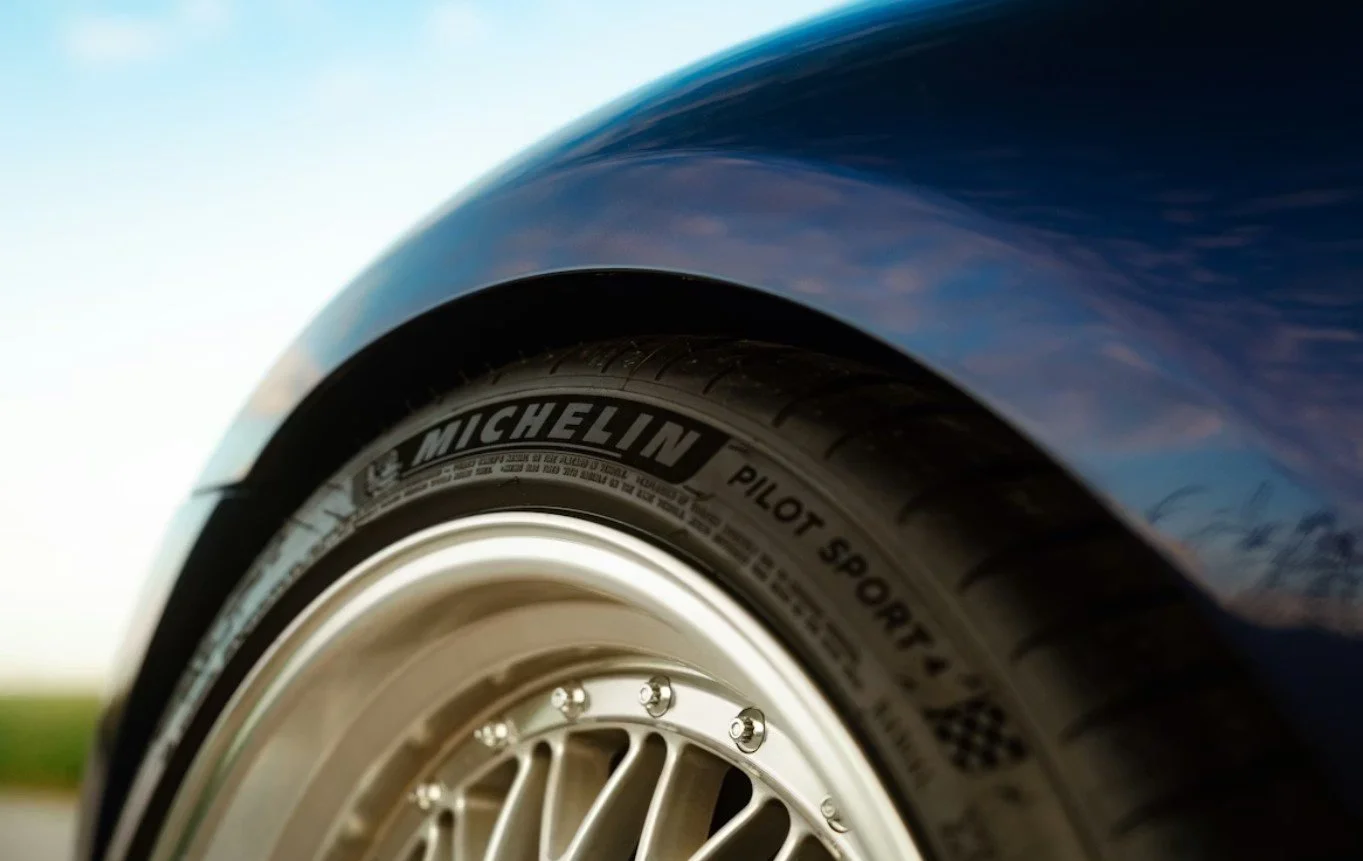
If you’re comfortable peeking through your car’s wheels, you can spot the pads sitting right against the rotors. You’ll usually see the pad material pressed against the shiny disc.
If it looks like there’s plenty of meat on it, you’re good.
If it looks thin (like just a couple millimeters) it’s time to plan for new ones. A small flashlight can make it easier to get a clear view.
Of course, if you don’t feel like crouching in your driveway, a mechanic can check them during a regular service visit. They often measure the thickness in millimeters and let you know exactly how much life is left.
It’s usually a quick check that doesn’t cost anything extra if you’re already getting other work done.
Doing a little visual check every few months helps you stay ahead. It’s way better than waiting until you hear the dreaded grinding noise.
Also Read: Ran Over Glass Bottle In Parking Lot
Risks Of Driving With Thin Pads
Driving with thin brake pads can lead to some pretty serious problems.
For starters, you lose braking power. That means your stopping distance gets longer, which can be dangerous if you need to stop suddenly.
Thin pads also let the metal part of the brake caliper press directly against the rotor.
That metal-on-metal contact creates grooves in the rotor surface, which usually means you’ll need new rotors too. Suddenly, what could have been a simple pad change turns into a much more expensive repair.
And let’s be real - no one wants to play around with brakes. They’re literally what stands between you and an accident.
A small expense now beats a major repair bill or, worse, a safety issue down the road.
When To Replace Brake Pads
So when should you actually swap them out?
A good rule of thumb is to replace pads when they hit around 3 to 4 millimeters thick.
Don’t wait until they’re paper thin. It’s better to do it early than push them past their limit.
Mileage can give you a rough guide too.
Most brake pads last somewhere between 30,000 and 70,000 miles, depending on how and where you drive. City driving with lots of stop-and-go wears them faster. Highway driving is usually easier on them.
If you’re not sure how much life is left, go by the signs. Noise, reduced braking performance, or a mechanic’s measurement will tell you what’s up.
Bottom Line
Brake pads don’t last forever, but keeping an eye on their thickness makes all the difference.
Your brake pads should be anywhere around 12 - 4 millimeters thick.Once they wear down to 3 millimeters, it’s time to replace them. Signs like squealing, grinding, or soft pedals are your car’s way of waving a big red flag.
Checking them yourself is simple, and getting them replaced before they’re too thin saves you money and stress.
Plus, it keeps your car safe and reliable on the road.