Ran Over A Skunk? Here’s What To Do
You’re driving along, minding your own business, and then… thump. A second later it hits you. That smell. Sharp, thick and almost eye-watering.
And somehow it feels like it’s getting stronger by the second.
If you just ran over a skunk, first of all - you’re not alone. It happens all the time, especially on darker roads or in rural areas. Second, it’s gross, yes, but it’s fixable. The important thing is acting fast and doing the right things.
In this post, we’ll show you what to do if you run over a skunk, so you can get your car (and your nose) back to normal.
What Happens When You Run Over A Skunk?
Skunks don’t just smell bad, they spray an oily liquid that clings to surfaces. That oil sticks to rubber, plastic, metal, and pretty much anything under your car.
Tires, wheel wells, undercarriage, lower bumper all are prime targets.
If the skunk sprayed right before or during impact, that mist can also get pulled into your ventilation system. Once that happens, every time you turn on the fan, you get a fresh wave of regret.
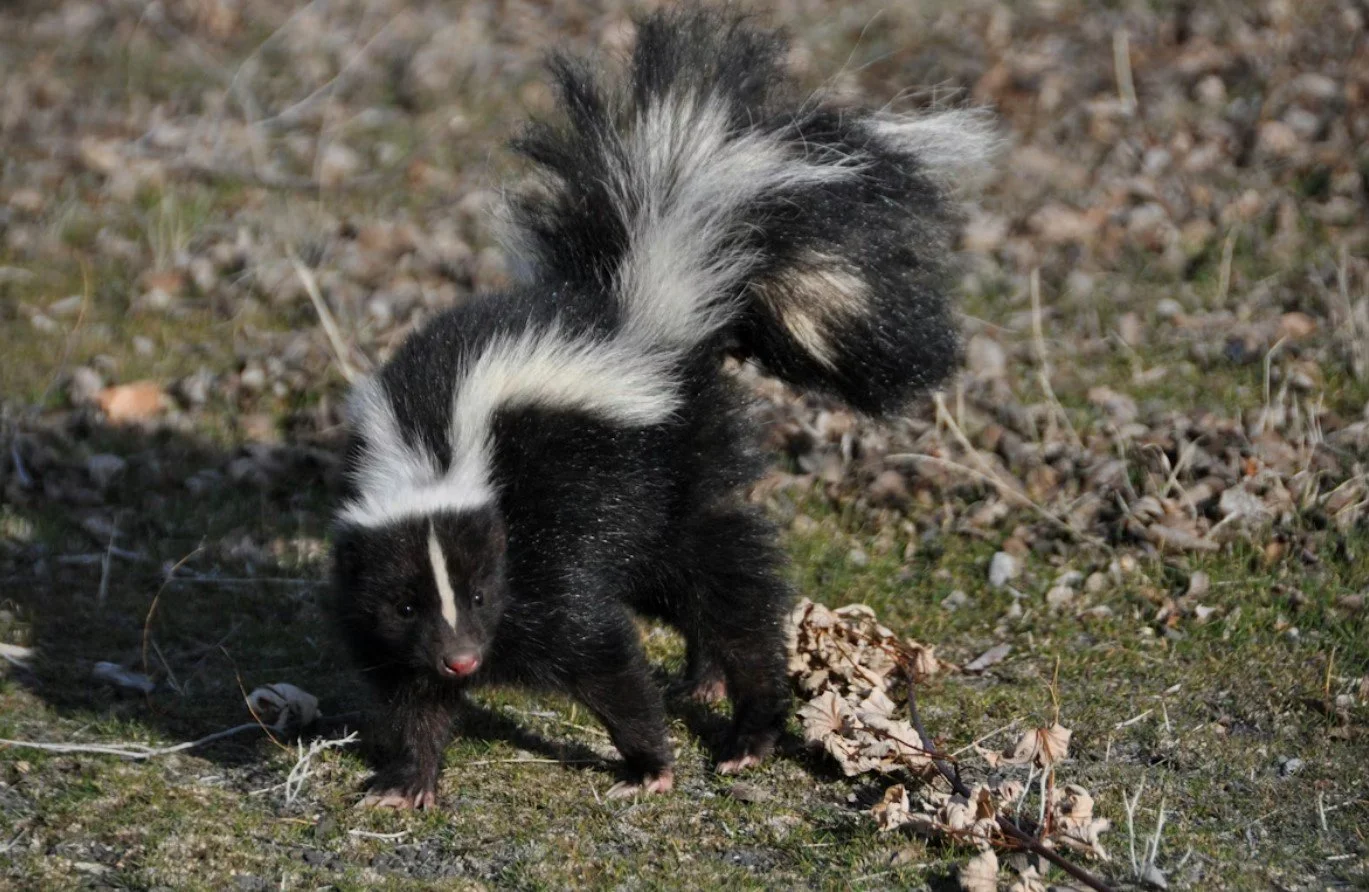
And here’s the thing that surprises most people: heat makes it worse.
So if you keep driving with everything closed up, that smell just marinates inside your vehicle. Not ideal.
That said, most cases are just contamination from spray and not actual damage to your car. You’re dealing with odor, not a mechanical disaster.
Also Read: Tire Thump At Low Speeds
What To Do If You Ran Over A Skunk
The faster you act, the easier this whole situation is to fix. Here’s what to do if you ran over a skunk:
Step 1: Pull Over And Check Your Car
As soon as it’s safe, pull over. Take a quick look under the front bumper and around the tires.
You’re mainly checking for:
Any visible damage to the bumper or undercarriage
Leaking fluids
Loose parts or dragging pieces
Anything stuck underneath
Most of the time, you won’t see major damage. Skunks are small, and the real issue is the spray. If everything looks normal and the car is driving fine, you can move on to odor control.
Step 2: Air It Out Immediately
This step makes a huge difference.
Roll down all the windows, turn your fan on high and switch to fresh outside air. Do not use recirculate mode. That just keeps the smell trapped inside.
If you can keep driving safely with airflow moving through the car, do it.
Fresh air helps push the odor out before it settles into fabrics and vents.
It might feel dramatic driving with all the windows down, but trust me - it’s better than letting that smell sink in deeper.
Also Read: Green Brake Fluid
Step 3: Wash The Exterior ASAP
The undercarriage is where the smell loves to hide.
If possible, go through a car wash that includes an undercarriage spray. That feature is important. A basic rinse from above won’t touch most of the contaminated areas.
If you’re washing at home, focus on spraying underneath the car thoroughly, cleaning tires and wheel wells, washing the lower bumper and side panels.
Use car soap, not just water
You want to break down the oily residue, not just rinse dirt off. Take your time here. A rushed rinse job won’t cut it.
And again, do this sooner rather than later.
The longer the spray sits, the harder it is to remove.
Step 4: Neutralize The Smell (If It’s Strong)
If a regular wash doesn’t knock it out, you can try a simple neutralizing solution for exterior surfaces.
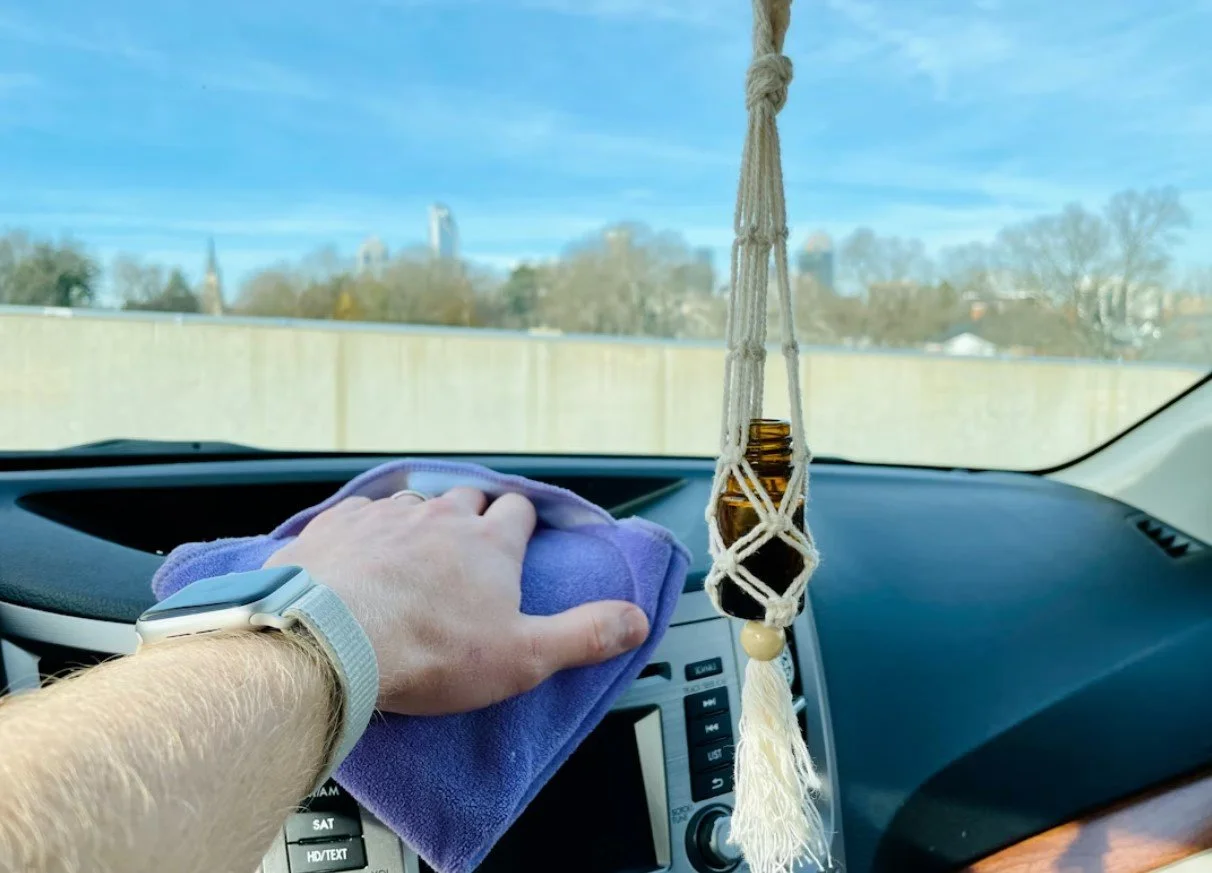
Here’s what we recommend:
1 quart of 3% hydrogen peroxide
1/4 cup baking soda
1 - 2 teaspoons of dish soap
Use it immediately after mixing. Don’t store it as it can build pressure in a container.
Apply it to the affected exterior areas, let it sit for about 5 - 10 minutes, then rinse thoroughly. This mixture helps break down the sulfur compounds that make skunk spray so brutal.
One important note: peroxide can lighten some materials. Stick to exterior metal and plastic parts unless you test a small hidden spot first.
Step 5: If The Smell Is Inside The Car
If you notice the smell blasting out every time you turn on the AC or heat, it probably got into your ventilation system.
Here’s what helps:
Replace the cabin air filter
Wipe down interior surfaces
Leave bowls of baking soda inside overnight
Use an odor-neutralizing spray designed for vehicles
Replacing the cabin air filter is surprisingly effective. They’re inexpensive and easy to swap out in most cars. If that filter absorbed the spray, no amount of air freshener will fix it.
Parking the car in direct sunlight with the windows slightly cracked can also help. Heat and airflow work together to reduce lingering odor.
Also Read: How Long Will 3mm Brake Pads Last?
If after a few days it still smells like you’re driving through a skunk convention, a professional detailer can do an ozone treatment. That process targets odor molecules instead of just covering them up.
How Long Does The Smell Last?
It depends on how intense the contact was and how quickly you cleaned it up.
In mild cases, the smell can fade in a couple of days. If the spray coated the undercarriage heavily, it may linger for a week or so. If it got deep into the vents and upholstery, it can hang around longer without proper cleaning.
The biggest factor is speed.
Acting the same day dramatically shortens the timeline. Waiting a few days gives that oily residue time to bond to surfaces, and then it becomes a bigger project.
The good news is that skunk odor does not last forever. It feels permanent in the moment, but with airflow and proper cleaning, it fades.
What NOT To Do
When you’re desperate, it’s tempting to try anything. Resist that urge. Some common “fixes” just make things worse like:
Don’t pour tomato juice on your car
Don’t use bleach on exterior surfaces
Don’t ignore it and hope it magically disappears
Don’t just mask it with heavy air fresheners
Tomato juice is an old myth. It doesn’t neutralize the odor; it just competes with it. Bleach can damage paint and metal components.
And air fresheners mixed with skunk spray? That’s a combo nobody wants to experience.
Stick to proper cleaning and neutralizing methods instead.
Bottom Line
Running over a skunk is one of those random, awful driving experiences that feels catastrophic in the moment.
But here’s the reality: it’s usually just an odor problem, not a serious car issue.
Pull over and check for damage, air the car out immediately, wash the undercarriage thoroughly, and neutralize the smell if needed. Replace the cabin air filter if the scent made its way inside.
Act quickly, be thorough, and give it a little time. In most cases, the smell fades much faster than you expect.
And next time you see something in the road at night, you’ll probably slow down just a bit more.